Foxconn India Faces a ₹143 Crore Insolvency Petition. The Lesson for Small Suppliers
Key takeaways
- BCD Emprasa LLP, which leased dormitory housing for Foxconn’s Bengaluru plant, filed a petition at the NCLT Chennai bench on 12 August seeking about ₹143 crore ($15.3 million) as of 8 July from Foxconn Hon Hai Technology India Mega Development Pvt, according to Bloomberg’s report of the filing.
- Bloomberg’s unnamed sources say at least four other vendors, several hired for construction work on the Bengaluru facility, have waited from several months to over a year. Foxconn did not reply to emailed queries, and no report says the petition has been admitted.
- Under a lease signed in April 2024, Foxconn took 700 residential units for women employees, with rent payable whether or not the rooms were occupied and a lock-in through July 2026. BCD says an invoice due in May 2025 went unpaid.
The Foxconn India insolvency petition is a small story with a large lesson for anyone who sells to big electronics plants. Bloomberg reported on 25 November that BCD Emprasa LLP, which leased dormitory housing for the Foxconn unit’s employees in Bengaluru, alleges it was not paid rent and utilities. It is asking the National Company Law Tribunal’s Chennai bench for about ₹143 crore, with interest, service charges and damages, as of 8 July.
What has been reported
The respondent is Foxconn Hon Hai Technology India Mega Development Pvt. BCD says Foxconn defaulted on an invoice due in May 2025 and did not agree to appoint an arbitrator. In an emailed response, BCD said the defaults caused “grave financial prejudice” and that the matter is before the NCLT.
Bloomberg’s sources say about half a dozen vendors in India are seeing delays. At least four besides BCD have waited from several months to over a year, and several were hired for construction work on the Bengaluru facility and were working with Foxconn for the first time. The sources link the delays to departures of some non-Indian staff, which slowed payments to local contractors. Bloomberg adds that the dispute is not expected to derail Foxconn’s Indian growth plans, and that Foxconn is competing with Tata Electronics for a bigger role in Apple’s supply chain.
What we do not know
- Whether the tribunal has admitted the petition. No report says it has, and none gives a case number or a hearing date.
- Foxconn’s side. It did not respond to Bloomberg’s queries, and no direct statement from the company has been published.
- The exact number of affected vendors. Reports say “about half a dozen” and “at least four others”, which are not the same count, so we use neither as a total.
- Whether the delays are caused by staff departures. That explanation comes from unnamed people.
Bloomberg’s report says vendors in India often start insolvency proceedings to recover overdue payments, though such filings rarely push a company into bankruptcy. Commentary on Indian insolvency law adds two points that matter here: an operational creditor must first serve a 10-day demand notice, and a genuine, pre-existing dispute can defeat a petition. Whether either applies in this case has not been reported. This is one Bloomberg-based story, and we found no independent confirmation.
Why a landlord’s claim matters to hardware suppliers
BCD is a housing lessor, not a component supplier, and we should not stretch the facts. But the pattern is familiar to anyone who sells to large buyers: long payment cycles, new vendors with no history, and a buyer that is a project company rather than the famous parent. Indian law does give small sellers some protection. Under section 43B(h) of the Income Tax Act, a buyer cannot claim a tax deduction for amounts owed to micro and small enterprises beyond 45 days, or 15 days without a written agreement. We do not know whether any vendor in this story is registered as a micro or small enterprise.
What a small supplier can do
These steps are our inference from the facts above, not advice from the reporting.
- Check which legal entity signs the purchase order and how well it is capitalised, not only which brand is on the gate.
- Get payment terms in writing, and if you are Udyam-registered, keep them within 45 days.
- Bill by milestone, or take an advance, on first jobs with a new buyer.
- Ask for a parent guarantee or a letter of credit when the order is large.
- If the buyer is on a TReDS platform, discount invoices there. TReDS is the RBI-introduced exchange where financiers bid for MSME invoices without recourse to the seller.
- Keep invoices undisputed in writing. A documented dispute is the standard defence against a recovery petition.
Why it matters for India
India’s electronics push rests on thousands of small firms, from builders and packers to tooling and test houses, that are paid by a handful of very large buyers. When one of those buyers pays late, the cost lands on firms with the least cash to absorb it.
This is also a reminder that the big plant announcements in the PLI era are only as good as the payment terms behind them: a supplier that is not paid cannot hire or invest.
Our view
Do not read this as Foxconn in trouble. Bloomberg itself says such petitions rarely end in bankruptcy, and a lease dispute is not a supply-chain collapse. Read it as a warning about terms. A supplier quoting to an EMS plant should price receivable risk the way it prices a component lead time: as a number in the quote, not an afterthought. And we would like to hear Foxconn’s side, which is missing from every report we found.
Related reading
- PCB Prices Are Up Almost 40% and Lead Times Have Stretched. What Indian Hardware Teams Can Do
- India’s Electronics Exports Jump 44% to $31.97 Billion. The Real Story Is PCBs and Memory Chips
- MeitY Rewrites the ‘Made in India’ Test for Laptops, PCs and Servers. Design and R&D Now Count
- India Opens Semicon 2.0 for Fabs and OSAT, Clears 12 Component Plants Worth ₹7,503 Crore
Sources
- ET Manufacturing (Bloomberg): Foxconn faces India insolvency lawsuit over unpaid vendor dues, 2026-11-25
- Hindu BusinessLine (Bloomberg): Foxconn faces payment delays to Indian vendors; contractor seeks $15.3 million in dues, 2026-11-25
- Free Press Journal: Apple’s iPhone manufacturing partner faces legal heat: Foxconn India hit with ₹143 crore insolvency plea, 2026-11-25
- Storyboard18: Foxconn India faces insolvency lawsuit over $15.3 million unpaid dues, 2026-11-25
- ClearTax: Section 43B(h) of the Income Tax Act, 2026-11-25
- SIDBI: TReDS, 2026-11-25
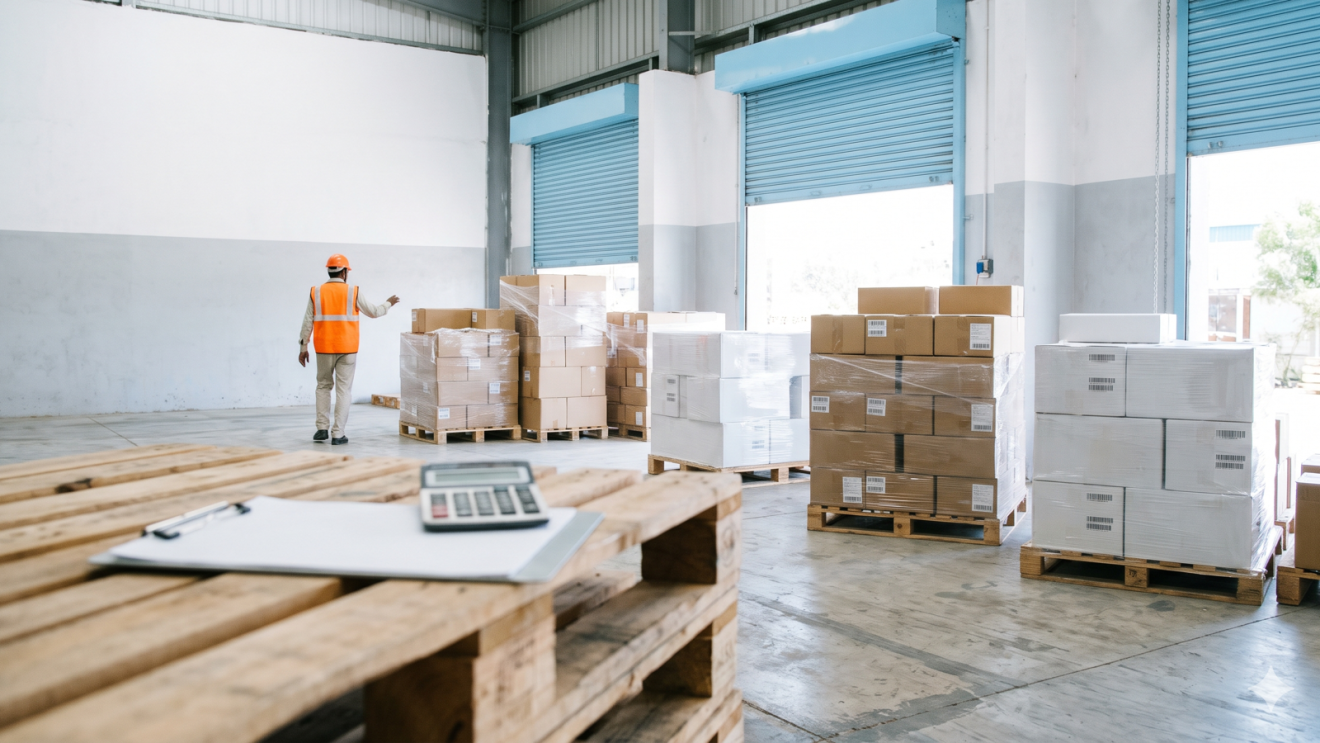
Representative image, AI-generated.
Related articles
- MeitY Rewrites the ‘Made in India’ Test for Laptops, PCs and Servers. Design and R&D Now Count24 November 2026
- PCB Prices Are Up Almost 40% and Lead Times Have Stretched. What Indian Hardware Teams Can Do21 November 2026
- India’s Electronics Exports Jump 44% to $31.97 Billion. The Real Story Is PCBs and Memory Chips19 November 2026
- Kaynes to Build ₹4,995 Cr Electronics Manufacturing Unit in Tamil Nadu: Jobs, Growth, Stability4 August 2025
- Electronics Jobs in India Just Got Safer: US Keeps Tariff-Free Access31 July 2025