₹27,000 Crore Assam Semiconductor Plant: A Game-Changer for India’s Chip Ecosystem
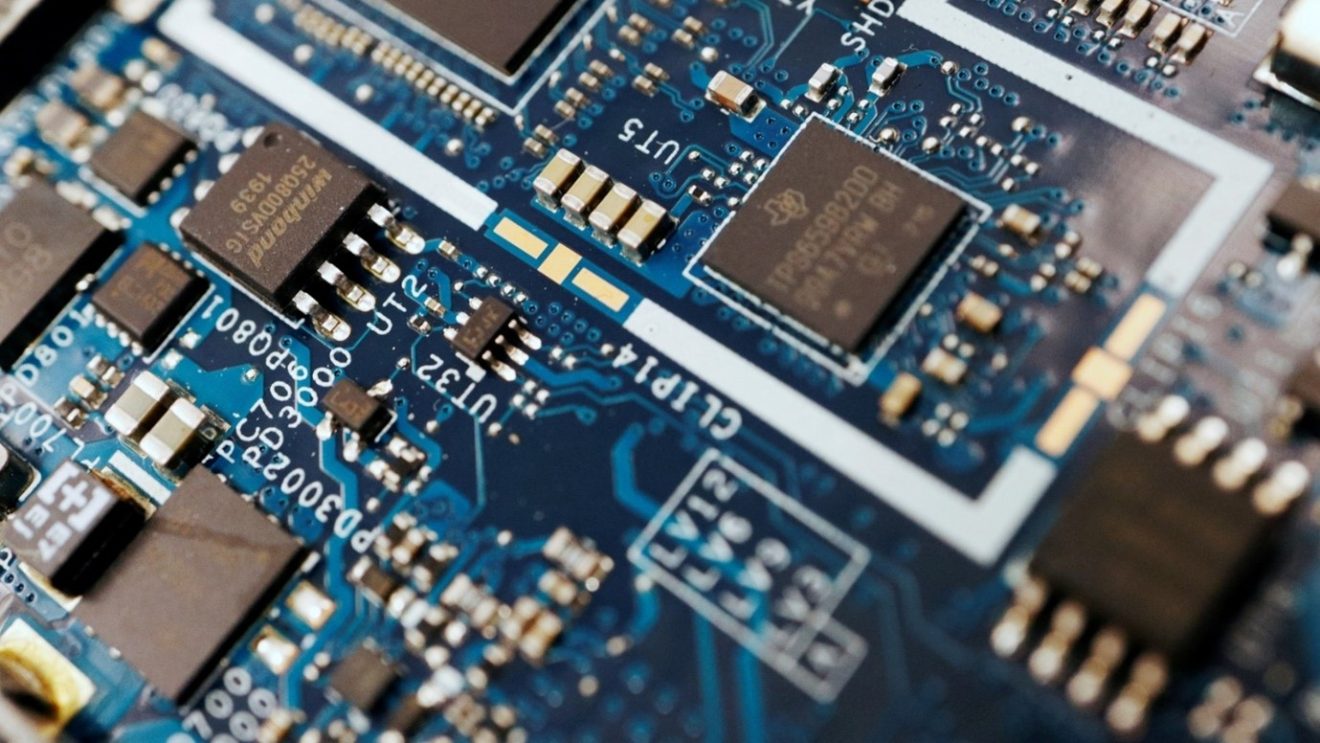
India is making strides toward becoming a global semiconductor powerhouse, with the development of a state-of-the-art facility in Morigaon, Assam. Spearheaded by Tata Semiconductor Assembly and Test Pvt Ltd (TSAT) with an investment of ₹27,000 crore, the plant is slated for completion by mid-2025. The facility will strengthen India’s semiconductor ecosystem and reduce reliance on imports, contributing to the country’s vision of a self-sufficient electronics manufacturing hub.
Cutting-Edge Technology for Essential Sectors
The Morigaon unit is designed to produce up to 48 million semiconductor chips daily, employing advanced packaging technologies like flip chip and Integrated System in Package (ISIP). The chips will cater to key sectors including automotive, electric vehicles, telecommunications, and consumer electronics, making the facility one of India’s premier manufacturing sites.
Boosting Socio-Economic Development
Beyond its technological advancements, the Morigaon plant is set to drive significant socio-economic growth in the region. It will create 15,000 direct jobs and an additional 11,000–13,000 indirect jobs, boosting the local economy and providing opportunities for Assam and its neighbouring areas. By serving both domestic and international markets, the plant positions India as a strong contender in the global semiconductor supply chain.
India’s Semiconductor Market on the Rise
The Indian semiconductor market, valued at $38 billion in 2023, is projected to grow to $109 billion by 2030. To meet this growing demand and foster domestic manufacturing, the Indian government has implemented several initiatives under the India Semiconductor Mission (ISM), launched in 2021 with a financial outlay of ₹76,000 crore. ISM aims to establish a sustainable ecosystem, covering areas from fabrication and packaging to chip design and assembly.
Semicon India Program and Key Initiatives
As part of the Semicon India program, the government has rolled out schemes to support semiconductor production:
- Modified Scheme for Semiconductor Fabs: Establishing fabs for semiconductor production.
- Modified Scheme for Display Fabs: Promoting display manufacturing units.
- Compound Semiconductor and Sensor Fab Scheme: Supporting specialized semiconductor fabrication.
- Design Linked Incentive (DLI) Scheme: Encouraging semiconductor design and innovation.
In addition to Morigaon, the Union Cabinet has approved multiple semiconductor units, including projects in Dholera and Sanand, Gujarat, by Tata Electronics and CG Power. These projects are part of a broader effort to create a robust semiconductor value chain in India.
Strengthening India’s Semiconductor Ecosystem
The government is also modernizing the Semi-Conductor Laboratory in Mohali and implementing programs like the Scheme for Promotion of Manufacturing of Electronic Components and Semiconductors (SPECS) and the Production Linked Incentive (PLI) Scheme for Large-Scale Electronics. These initiatives aim to support every stage of semiconductor production, from chip design to testing and assembly, fostering innovation and reducing dependency on imports.
A Global Vision
As global demand for semiconductors continues to rise, India’s investments in semiconductor infrastructure will not only meet domestic needs but also establish the country as a major player in the global digital economy. With the completion of the Morigaon plant, India’s semiconductor capabilities are set to take a giant leap forward, driving technological advancement, economic growth, and innovation.
Related articles
- SEMICON India 2026 Opens Today With 600+ Exhibitors — and One Scorecard Worth Watching18 September 2026
- Nvidia Reported to Book TSMC’s 1.6nm A16 for Feynman, Skipping the N2 Generation Entirely17 August 2026
- Tata Electronics’ ₹27,000 Crore Jagiroad ATMP Plant Targets Production in FY2026–274 June 2026
- Tata Electronics and ASML Sign MoU to Power India’s First 300mm Semiconductor Fab in Dholera28 May 2026
- Semicon India 2025: India’s Leap Towards Becoming a Global Semiconductor Powerhouse3 September 2025