UPI Meets IoT: India’s Smart Devices Set to Join the Payments Network
- Chinmay
- July 8, 2025
- India, Internet of Things, News
- Connected Devices UPI, Delegated Payments, Fintech India, Global Fintech Fest 2025, IoT Payments, NPCI Fintech, Smart Device Payments, UPI AutoPay, UPI Circle, UPI IoT
- 0 Comments
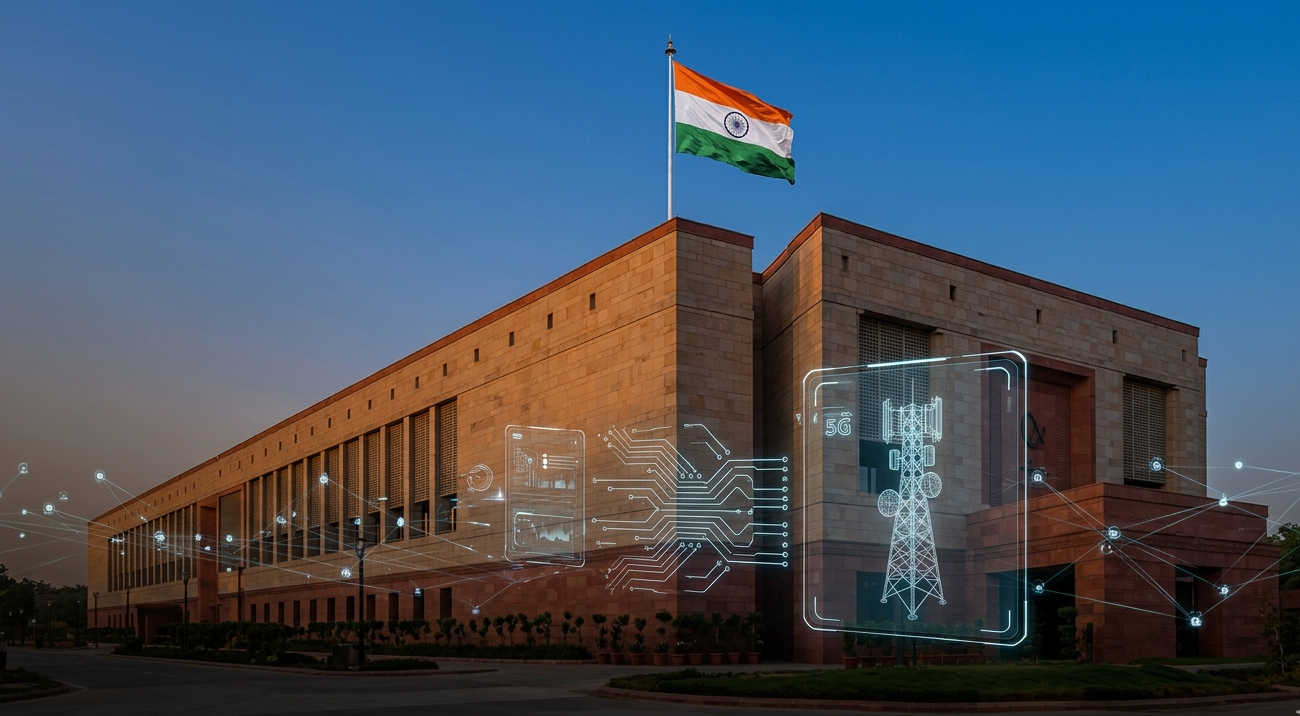
India’s UPI system is about to get a futuristic, yet quietly revolutionary upgrade. The National Payments Corporation of India (NPCI) is developing an IoT-ready version of UPI that will enable smart devices — from refrigerators to connected cars — to autonomously initiate digital payments.
From Smartphones to Smart Devices
Until now, every UPI transaction has required a smartphone and manual user action. But this is changing. The new system will allow wearables, home appliances, and even vehicles to trigger UPI payments on their own, without the need to open an app or scan a QR code.
Picture this:
- Your car automatically pays for tolls or parking.
- A smart meter refills its own wallet for electricity.
- Your smartwatch pays your metro fare as you walk through the gate.
All of this, powered by user-approved mandates and a unique virtual UPI ID assigned to the device.
The Tech Behind the Magic
The system builds on features like UPI AutoPay and UPI Circle. Here’s how it works:
- Users can issue a mandate to a smart device.
- The device receives a secondary UPI ID linked to the user’s main account.
- Transactions are automated within set limits, leveraging delegated payment infrastructure.
- Changes to mandates can be managed from the original UPI app.
What makes this different is that the device becomes a transacting agent, with security layers like OTP-based onboarding and configurable spending limits.
UPI: Scaling Through Innovation
NPCI has been on a mission to grow UPI tenfold. From UPI Lite X for offline transactions to conversational payments, the system has evolved quickly. In FY25, UPI processed 185.8 billion transactions — a staggering 41.7% jump from the previous year. This IoT-enabled version could be unveiled at the Global Fintech Fest 2025, pending regulatory approvals. It’s part of a broader vision to make UPI ubiquitous — not just on phones, but on the smart devices we interact with daily.