India’s Mobility Future Runs on V2X and IoT—Not Just More Highways
- Chinmay
- July 7, 2025
- India, Internet of Things
- AI traffic management, autonomous vehicle infrastructure, Connected Cars, India transport innovation, Indian mobility trends, ITS India, NHAI AI system, smart highways, V2X communication India, vehicle-to-everything
- 0 Comments
India’s mobility challenge is no longer just about more cars—it’s about smarter ones.
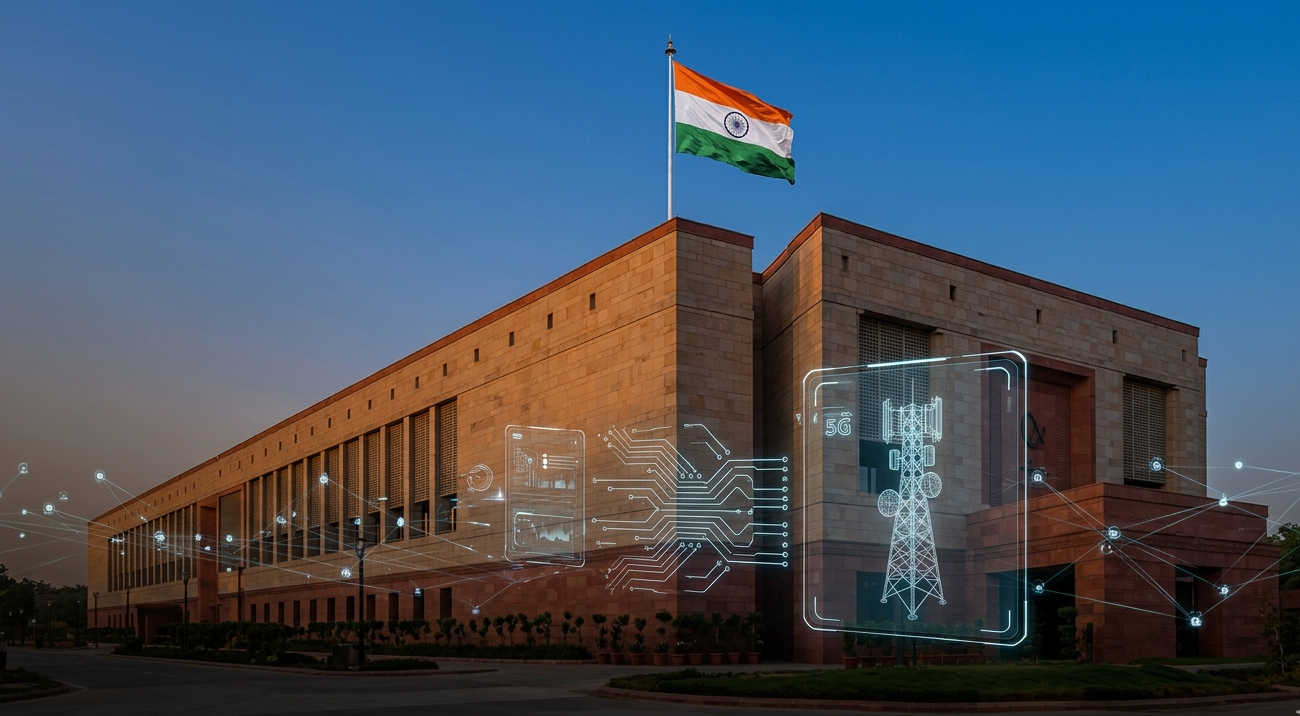
As the National Highways Authority of India (NHAI) rolls out the country’s first AI-powered traffic management system on Delhi’s Dwarka Expressway, a new era of road safety and intelligence begins. The system will automatically detect 14 types of violations using AI-linked cameras, feeding data to a control center for real-time coordination. But smart highways need smart vehicles to complete the loop.
India, with just 44 passenger cars per 1,000 people, lags far behind countries like China (251), Japan (502), and even Indonesia (76). As car ownership is expected to jump from 4 million to 6 million units annually by 2030, urban roads and highways will need serious technological reinforcements.
Connected Cars: The Future India Needs
Enter Connected and Automated Vehicles (CAVs)—or what the International Telecommunication Union (ITU) calls “computers on wheels.” These vehicles exchange data constantly with infrastructure, other vehicles, and control centers using V2X (Vehicle-to-Everything) technologies.
The result?
- Smarter routing
- Fewer accidents
- Optimized traffic signals
- Reduced emissions
- Better urban space use
According to ITU, this convergence of telecom, automotive, infrastructure, and policy innovation could significantly cut urban congestion and road fatalities, while boosting India’s digital economy.
Policy Must Catch Up With Technology
For India to lead the next wave of urban mobility, a few imperatives must be met:
- Mainstream V2X and ITS (Intelligent Transport Systems) across public and private transport
- Create policy ecosystems involving telecom, energy, electronics, security, and transportation
- Enable standards-based vehicle communication frameworks using global protocols
- Promote smart cars as a default, just like smartphones replaced feature phones
With the global ITS market projected to reach $170 billion by 2034 (from $48 billion today), India has both economic and social incentives to accelerate this transition.
From Feature Roads to Smart Highways
India’s passenger car growth story cannot be supported by highways alone. The real story will be about the intelligence embedded in both the roads and the vehicles navigating them.
AI-managed roads + data-driven vehicles = a future with fewer jams, cleaner air, and safer journeys.