Electronics Industry Growth Prospects for 2025: Key Trends and Opportunities
- Chinmay
- January 24, 2025
- News
- 3D printing, 5G infrastructure, AI-driven applications, APAC electronics market, AR/VR, electronics industry growth, IoT, printed electronics, semiconductors, smart home technologies, sustainable energy solutions
- 0 Comments
The global electronics industry is poised for another year of transformative growth in 2025, building on the momentum of a successful 2024. While forecasts have slightly adjusted, with Statista revising the global consumer electronics sales outlook to $977 billion, the industry remains on track for robust expansion, driven by advancements in semiconductors, AI-driven applications, 5G infrastructure, and the demand for sustainable solutions.
Semiconductors Driving Growth
Semiconductors remain the backbone of technological progress, with global revenue projected to grow by 14% in 2025, reaching $717 billion, according to Gartner. This growth is underpinned by rising adoption of AI applications, which are driving demand for memory chips and GPUs. Other forecasts indicate growth rates ranging between 6% and 16%, reflecting varying degrees of optimism across industry analysts.
Despite challenges such as geopolitical instability, supply chain disruptions, and critical mineral shortages, the semiconductor market is expected to thrive due to its pivotal role in powering cutting-edge technologies like IoT, AI, and edge computing.
Key Growth Drivers for 2025
- AI and Generative AI
The rapid integration of AI in devices and systems is reshaping industries, enabling smarter and more efficient operations. From healthcare diagnostics to autonomous vehicles, AI-powered solutions are creating new opportunities and redefining user experiences. - 5G Networks and Smart Infrastructure
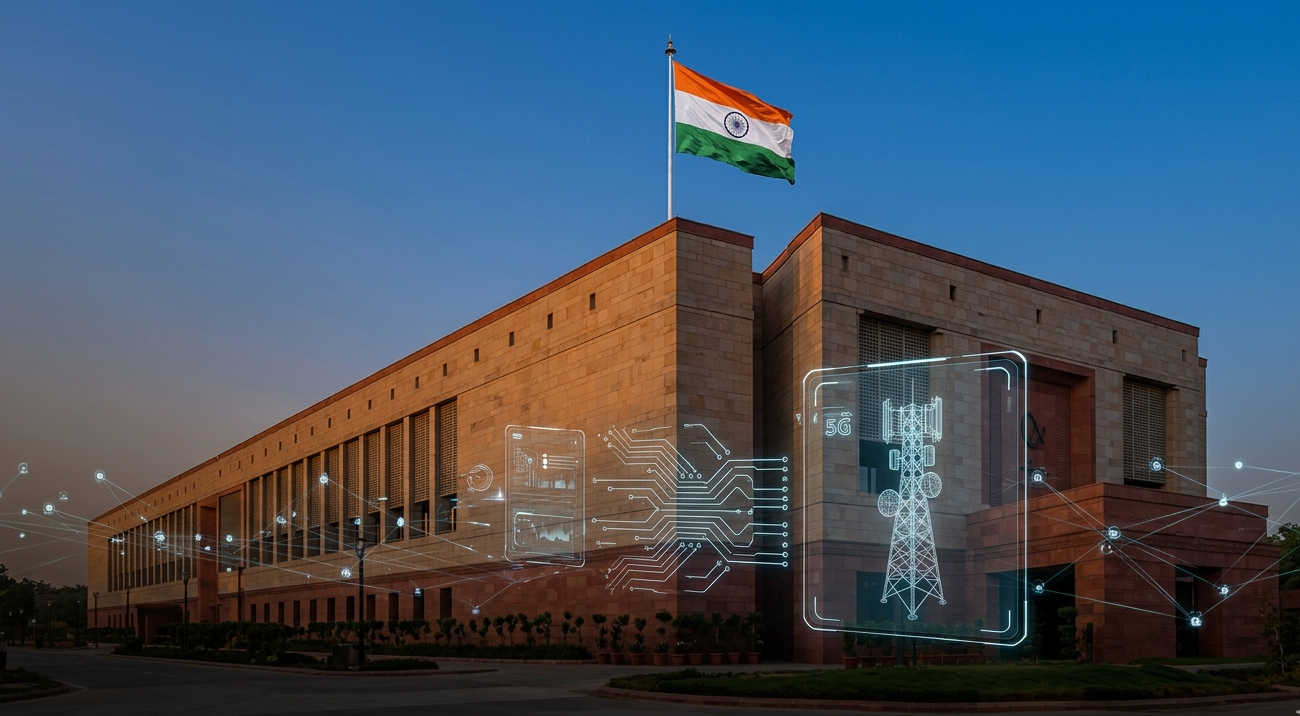
The expansion of 5G infrastructure is enhancing connectivity across devices, including IoT and smart city systems. This ultra-fast network supports real-time data exchange, driving advancements in autonomous vehicles, remote healthcare, and sustainable urban systems. - Sustainable Energy Solutions
As businesses shift towards greener practices, the demand for energy-efficient electronics and circular economy models is surging. Innovations in low-power components, recycling initiatives, and renewable energy integration are shaping a more sustainable future for the industry. - Wearables, AR, and VR
Wearable devices are advancing healthcare monitoring and fitness tracking, while augmented and virtual reality technologies are revolutionizing gaming, education, and professional training. These sectors are expected to witness significant growth as consumer interest rises. - Smart Home Technologies
The growing adoption of smart home solutions continues to drive innovation in consumer electronics. Integration of AI and IoT is enabling enhanced energy management, automation, and security. Emerging markets offer significant potential, with opportunities to develop affordable, energy-efficient solutions tailored to local needs. - Printed Electronics and 3D Printing
Printed electronics and 3D printing are revolutionizing manufacturing by enabling localized production, reducing cycle times, and accelerating time-to-market for customized components. This sector is expected to grow by over 19%, even amidst challenges in the automotive market.
Regional Outlook: APAC Leading the Charge
The Asia-Pacific (APAC) region remains the largest market for electronics, driven by manufacturing hubs in China, Japan, South Korea, and Taiwan. Heavy investments in R&D, rapid urbanization, and a tech-savvy population position APAC as a global leader in innovation and production.
Opportunities in 2025
- Interoperability: Developing platforms that seamlessly integrate devices from multiple manufacturers.
- Energy Efficiency: Enhancing energy management systems that work with renewable energy sources.
- Elderly Care Solutions: Creating smart home technologies tailored for aging populations, such as health monitoring and fall detection.
- Sustainable Practices: Expanding circular economy models to conserve resources and minimize waste.
Challenges Ahead
Despite the promising outlook, the electronics industry must navigate challenges such as climate change, geopolitical risks, and supply chain vulnerabilities. Companies must prioritize resilience, supply chain diversification, and strategic risk management to capitalize on growth opportunities.